
Banking basics, accounts, loans, cards, guides, frauds, and quick links — all essentials for safe, smart, and easy financial awareness.
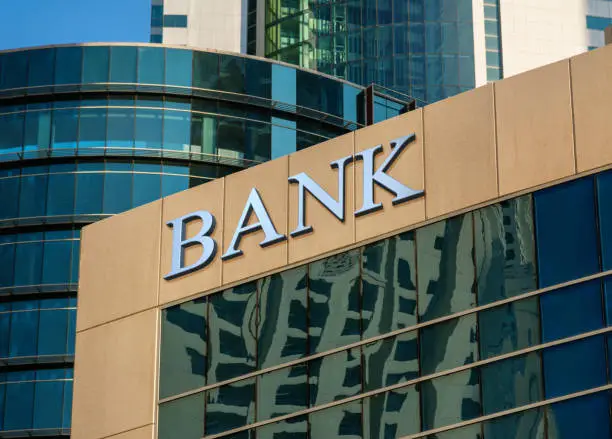
Banking is the system of accepting deposits, providing loans, and offering financial services that help individuals and businesses manage money. Modern banks also provide digital services like mobile apps and online banking platforms.

Explore accounts and services offering savings, current, and digital banking for secure, convenient money management.

Loans allow individuals and businesses to borrow money with the agreement to repay with interest.
Credit and debit cards provide convenience, security, rewards, and essential tools for everyday financial transactions.
Guides & Tutorials explain simple steps, documents, and tips for smooth banking applications and learning.

Customer Help & Awareness shares safety tips, identifies frauds, and guides customers to protect finances effectively.

Understand what banking is, different types of banks, essential services, and how modern digital banking is transforming finance.
Banking is the process of accepting deposits, providing loans, and offering financial services to individuals, businesses, and governments. Banks act as intermediaries between savers and borrowers, ensuring smooth financial transactions in the economy.
From traditional brick-and-mortar institutions to modern digital banks, banking remains the backbone of financial systems worldwide.
Modern banking has shifted towards online platforms, enabling users to manage accounts, pay bills, and transfer funds instantly. Mobile apps, internet banking, and contactless payments have made financial services more convenient and accessible.
However, users must ensure cybersecurity practices such as strong passwords and two-factor authentication.
Banking plays a crucial role in economic development by:
Banks are heavily regulated to protect customers’ funds. In most countries, deposit insurance guarantees a certain amount of money even if a bank fails (e.g., FDIC insurance in the U.S.).
Always verify your bank’s legitimacy, avoid sharing sensitive data, and use only secure websites or apps for transactions.

Learn the process of opening a bank account, the required documents, types of accounts, and tips to choose the right bank for your financial needs.
A bank account provides a secure place to store your money, access credit, and manage daily financial activities like payments and transfers. It also helps build financial credibility and opens doors to additional services such as loans, credit cards, and investments.
To open a bank account, you typically need:
Many banks now allow customers to open accounts online. You can fill in an application, upload scanned documents, and complete identity verification through video calls or e-signatures.
This method is faster, paperless, and convenient, especially for tech-savvy users.
Applying for a loan can feel overwhelming, but with the right information, it becomes a smooth process. Whether you’re applying for a personal loan, student loan, auto loan, or home loan, the application steps are almost similar. This guide will walk you through everything you need to know to successfully apply for a loan.

Learn how to avoid common banking mistakes, hidden charges, frauds, and financial risks. This guide provides practical steps to ensure safe, secure, and smart banking with Weeglie Finance.

Banking is the foundation of financial security. However, small mistakes like ignoring charges, falling for scams, or mismanaging accounts can cost you heavily. By learning how to avoid these issues, you protect your money and financial future.
Discover different types of banks, their roles in the economy, and how they serve individuals, businesses, and governments. Learn which type of bank fits your financial needs with Weeglie Finance.

Banks are not all the same. From central banks managing monetary policy to digital banks offering modern convenience, each type plays a unique role in the financial ecosystem. Knowing these types helps individuals and businesses choose the right services for their needs.
Central banks control a nation’s monetary policy, issue currency, and regulate commercial banks. Examples include the Federal Reserve (USA), European Central Bank (ECB), and State Bank of Pakistan.
Commercial banks provide everyday financial services like savings accounts, current accounts, personal loans, and credit cards. They are the most common banks serving individuals and businesses.
Cooperative banks are owned and operated by members. They focus on rural development, small businesses, and community banking with lower interest rates.
Investment banks help corporations and governments raise capital, manage assets, and handle mergers & acquisitions. They are key players in global finance markets.
Development banks fund large infrastructure and social projects, such as housing, education, and industrial development. They focus on long-term economic growth.
Digital banks operate primarily online without physical branches. They provide quick services through apps and are becoming popular for modern, tech-savvy users.
Understand the differences, pros, and cons of online vs traditional banking. Discover which banking method best fits your lifestyle and financial needs with Weeglie Finance.

Banking has evolved from traditional in-branch services to fast, mobile-based digital platforms. Both models coexist today, but which one is better depends on customer needs, security, and convenience.
Online banking (also called digital banking or internet banking) allows customers to access and manage their accounts using a website or mobile app. It provides features like money transfers, bill payments, and account tracking anytime, anywhere.
Traditional banking involves physical branches where customers interact with bank staff for services like deposits, withdrawals, and loan consultations. It emphasizes face-to-face trust and personalized support.
Understand what a savings account is, its benefits, types, and how to open one with Weeglie Finance.

A savings account is the most basic form of banking product designed to help people save money while earning interest. It is secure, accessible, and insured by deposit protection agencies like FDIC. In this guide, you will learn everything about savings accounts and how to manage them effectively.
A savings account is a deposit account maintained at a bank or credit union that pays interest on your balance. It allows you to safely store money while keeping it accessible for withdrawals when needed.
Learn what a current account is, its features, benefits, drawbacks, and how to open one for your personal or business needs with Weeglie Finance.

A current account is a deposit account designed for individuals and businesses who need frequent access to funds. Unlike savings accounts, current accounts are used primarily for transactions, payments, and daily banking activities.
A current account is a bank account that allows unlimited deposits and withdrawals for business or personal transactions. It is primarily used by businesses, companies, and professionals who require high liquidity and frequent transactions.
Discover how mobile and digital banking are transforming financial services, their features, benefits, risks, and best practices with Weeglie Finance.

Mobile and digital banking have revolutionized the way individuals and businesses manage their money. From fund transfers to loan applications, everything can be done through your smartphone or computer.
Mobile or digital banking is the use of mobile apps, websites, or online platforms provided by banks to access banking services remotely. It includes services such as checking account balances, transferring funds, bill payments, and even applying for loans digitally.
Banking frauds and scams are increasing globally. This guide explains the most common types, real risks, and how you can protect yourself from financial crimes.

Banking frauds are deceptive practices where criminals exploit technology, trust, or loopholes to steal money from individuals or institutions. With the rise of digital banking, online payments, and mobile apps, fraudsters are becoming smarter and more sophisticated. From fake calls to phishing emails, scammers continuously target bank customers who may not be aware of the risks.
This article covers the most common banking scams, why they are dangerous, and step-by-step prevention methods. Whether you are a student, working professional, or retiree, protecting your hard-earned money should always be a top priority.
Fraudsters use many tactics to steal money. Understanding these types helps you stay alert:
Banking frauds not only cause financial loss but also emotional stress. Victims often lose their savings and face long legal battles to recover money. Some key risks include:
While banks have strong security systems, fraudsters exploit human errors. Here are some essential safety practices:
Beyond standard prevention, adopting smart habits will reduce your risk of falling victim to scams:
Staying updated on new fraud trends is equally important. Criminals are constantly changing their tactics, so awareness is your best defense.
Discover the most common bank charges, hidden fees, and how to avoid them. Learn how banks earn from service fees and tips to save your money.

Most people believe banks only earn from lending money and interest. But in reality, a significant portion of their revenue also comes from service charges and hidden fees. From ATM withdrawals to account maintenance, banks often charge fees that customers are unaware of. This guide explains the most common bank charges, how hidden fees work, and ways to protect your money.
Here are some of the most frequent charges customers face in their banking journey:
Hidden fees are often not highlighted in advertisements but mentioned in fine print of agreements. These include:
These charges are often overlooked because customers do not read the terms & conditions carefully before signing up.
While a single fee may seem small, multiple charges can add up significantly over time. For example:
According to financial experts, many customers lose hundreds of dollars each year due to hidden fees without even realizing it. Therefore, awareness is crucial to financial stability.
By being proactive and informed, you can save a significant amount of money annually.

This guide has walked you through the fundamentals of banking, different account types, credit options, and customer safety measures. Banking is not just about money storage; it is the foundation of economic activity that enables individuals and businesses to save, borrow, invest, and grow financially.
By following these guidelines, individuals can make smarter decisions, manage money effectively, and protect themselves from frauds or hidden costs.
It depends on the type of loan. Personal loans may take a few hours to a few days, while home loans may take weeks.
Yes, but approval chances are lower, and the interest rate may be higher. Consider secured loans or credit-building strategies.
No. Personal loans are usually unsecured, but auto loans and home loans require collateral.
Yes, if you use strong passwords, 2FA, and official apps/websites.
Yes, but maintaining balances and managing fees is important.
Primarily through loan interest, service fees, and investments.
They regulate monetary policy, control inflation, and oversee financial stability.
A savings account earns interest, while a checking account is mainly for daily transactions.
Yes, if you use secure platforms, enable two-factor authentication, and avoid public Wi-Fi.
Most banks allow online account opening with digital verification of documents.
Deposit insurance protects your money up to a certain limit if the bank fails.
Choose fee-free accounts, maintain minimum balances, and avoid overdrafts.
Yes, some banks offer zero-balance savings accounts, especially digital banks.
Yes, but they may need additional documents such as visa and work permits.
In most cases, the process takes 30 minutes to a few business days depending on the bank.
Yes, you can hold multiple accounts with different banks for savings and investments.
Generally, 18 years. However, some banks offer minor/junior accounts under parental guidance.
It depends on the type of loan. Personal loans may take a few hours to a few days, while home loans may take weeks.
Yes, but approval chances are lower, and the interest rate may be higher. Consider secured loans or credit-building strategies.
No. Personal loans are usually unsecured, but auto loans and home loans require collateral.
Enable two-factor authentication, avoid public Wi-Fi, and never share personal details over calls/emails.
Maintain minimum balances, check account policies, and track ATM usage fees.
Yes, by paying bills in full before the due date and avoiding unnecessary purchases.
Yes, if you follow strong password rules, use secure networks, and keep your apps updated.
It controls currency, interest rates, and regulates commercial banks.
Commercial banks serve individuals and businesses widely, while cooperative banks focus on communities and rural areas.
Yes, digital banks are safe when regulated and used with proper cybersecurity practices.
No, investment banks specialize in corporate finance, not retail banking services.
Yes, when used with strong passwords, two-factor authentication, and secure networks.
Yes, many people combine both for flexibility and security.
Some digital banks provide personal loans, but traditional banks are still the main loan providers.
Online banking usually charges fewer fees compared to traditional banks.
Ideally, 3–6 months of emergency expenses should be kept in savings.
Yes, some banks restrict the number of withdrawals per month.
Yes, in the U.S. FDIC insures up to $250,000 per depositor, per bank.
Yes, most banks now offer online account opening with e-KYC verification.
Business owners, freelancers, and professionals who need frequent transactions.
No, most current accounts do not pay interest on deposits.
It varies by bank, but generally higher than savings accounts.
Yes, individuals such as freelancers and self-employed professionals can open one.
Yes, if you use official apps, strong passwords, and follow security practices.
Yes, most banks allow personal and business loan applications via digital platforms.
Many transactions are free, but some banks may charge for premium services.
Immediately block your account through the bank helpline and enable remote wipe features.
Yes, if you use official apps, strong passwords, and follow security practices.
Yes, most banks allow personal and business loan applications via digital platforms.
Many transactions are free, but some banks may charge for premium services.
Immediately block your account through the bank helpline and enable remote wipe features.
Immediately block your card or account, report to your bank’s fraud department, and file a police complaint if necessary.
Depending on the situation, banks may compensate customers if the fraud was not due to their negligence.
Yes, they are generally safe if you use official apps, avoid sharing details, and enable strong authentication.
It’s recommended to check your account at least once a week for unusual activity.
Most banks mention charges in their account terms. However, hidden fees may not be highlighted clearly. Always check your statements regularly.
Yes, many digital-only banks offer zero maintenance fees and free ATM withdrawals to attract customers.
Contact your bank’s customer service and ask for clarification. In some cases, first-time fees may be waived.
This guide is for educational purposes only. Banking charges vary from bank to bank and country to country. Always verify official fee schedules with your financial institution before making decisions.
This website provides educational content on banking, accounts, loans, and customer awareness. All information is shared for general guidance and awareness only. We do not provide financial, legal, or investment advice. For personal financial decisions, please consult your bank, financial institution, or licensed advisor.
We make every effort to ensure the accuracy of information, but banking rules, charges, and policies may vary by country and institution. External links (e.g., IMF, World Bank, State Bank of Pakistan) are provided for reference only. We are not affiliated with or endorsed by these organizations.
By using this website, you agree that we are not responsible for any financial losses, decisions, or outcomes resulting from the use of information shared here.
Important: Always verify details directly with your bank or financial advisor before taking action.